
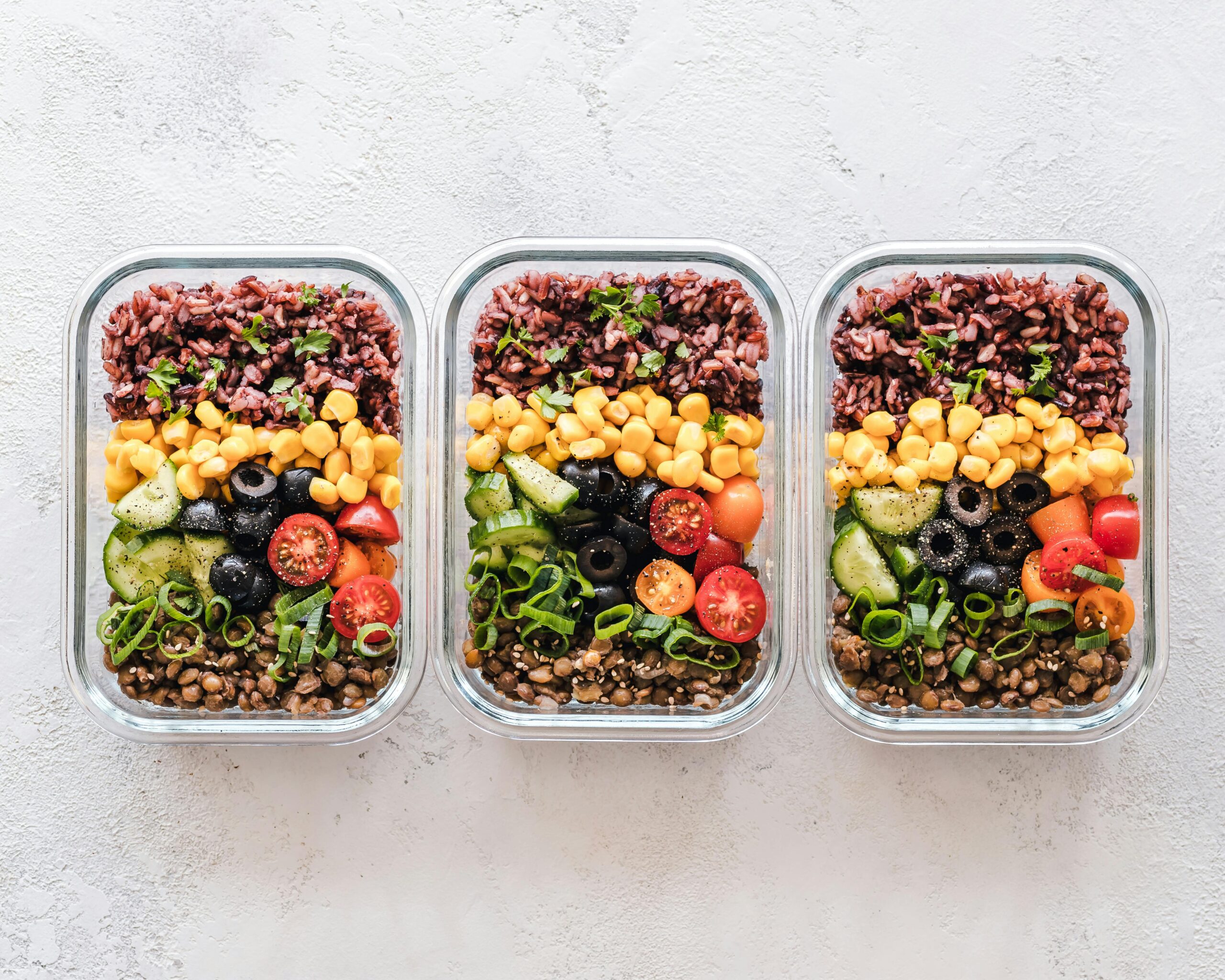
Meal prepping is more than just a time-saver for busy weeks – it’s also a powerful tool for reducing food waste, saving money and living more sustainably! With just a bit of planning and a few eco-conscious tweaks, you can make your weekly meals not only convenient but also better for our planet. Here’s how to master sustainable meal prep – without overcomplicating your life.
Why sustainable meal prep matters
Most of us waste more food than we realize. According to the EPA, over 30% of food in the U.S. goes uneaten – and much of that waste happens at home. Planning meals ahead of time can help you buy only what you need, reduce last-minute takeout and use your ingredients more efficiently.
But sustainable meal prep goes even further! It also means using reusable storage, shopping thoughtfully and minimizing packaging. Done right, it’s a low-stress way to live greener every day.
1. Plan around what you already have
Before you write your grocery list, take inventory of your fridge, freezer and pantry. What’s nearing its expiration date? What leftovers could be turned into new meals?
2. Shop with intention
Choose ingredients that are versatile and in season. If you want to find out more about seasonal eating, check this out: Seasonal Eating: Why It’s Better for You and the Planet.
This not only supports local agriculture but also reduces the carbon footprint of your meals.
- Buy in high quantity when possible (especially for grains, legumes and nuts).
- Bring your own produce bags and containers.
- Avoid overpackaged and heavily processed items.
This mindset shift turns shopping from a chore into a conscious act of sustainability.
3. Use reusable containers and tools
Swap disposable plastics for sustainable storage options:
- Glass containers for leftovers and reheating
- Stainless steel lunch boxes for on-the-go meals
- Silicone bags for freezing or marinating
- Beeswax wraps or containers for cut veggies or snacks
These tools are durable, safe and reduce plastic waste over time.
4. Cook in batches – and think ahead
Prepare staples that can mix and match across multiple meals. A single tray of roasted vegetables or a pot of quinoa can form the base for multiple dishes:
- Grain bowls
- Wraps
- Stir-fries
- Soups and stews
Label containers with dates and freeze portions you won’t eat within 3-4 days. This keeps your meals fresh and prevents food from going bad in the fridge.
5. Store food the right way
Knowing how to store your food properly extends its shelf life and reduces waste:
- Keep herbs fresh in a jar with water
- Store leafy greens in a damp towel inside a container
- Use clear jars so you can see what’s inside and avoid “fridge blindness”
Pro tip: Create an “Eat Me First” bin in your fridge for leftovers or ingredients that need to be used soon.
Want a deeper dive into proper food storage? This guide about food safety and storage from BetterHealth Channel is super helpful.
6. Compost and repurpose scraps
Even with the best intentions, scraps are inevitable. Make them work for you:
- Save veggie scraps for homemade broth
- Use citrus peels to infuse vinegar for cleaning
- Start a small compost bin (indoor or outdoor) to return nutrients to the soil
These little actions help complete the sustainability loop.
Sustainable meal prep is all about being mindful – of your time, your food and your impact! With a few easy shifts, your Sunday prep session can become a small but meaningful act of environmental care. You’ll waste less, eat better and feel more organized throughout the week.
So grab your containers, plan your meals, and start prepping with purpose – one plate at a time.
Have a sustainable meal prep hack of your own? Share it in the comments!
Related Articles
– Zero Waste Kitchen: How to Set Up Yours
– Sustainable Cooking on a Student Budget
– What Is Sustainable Cooking? A Beginner’s Guide
Leave a Reply