
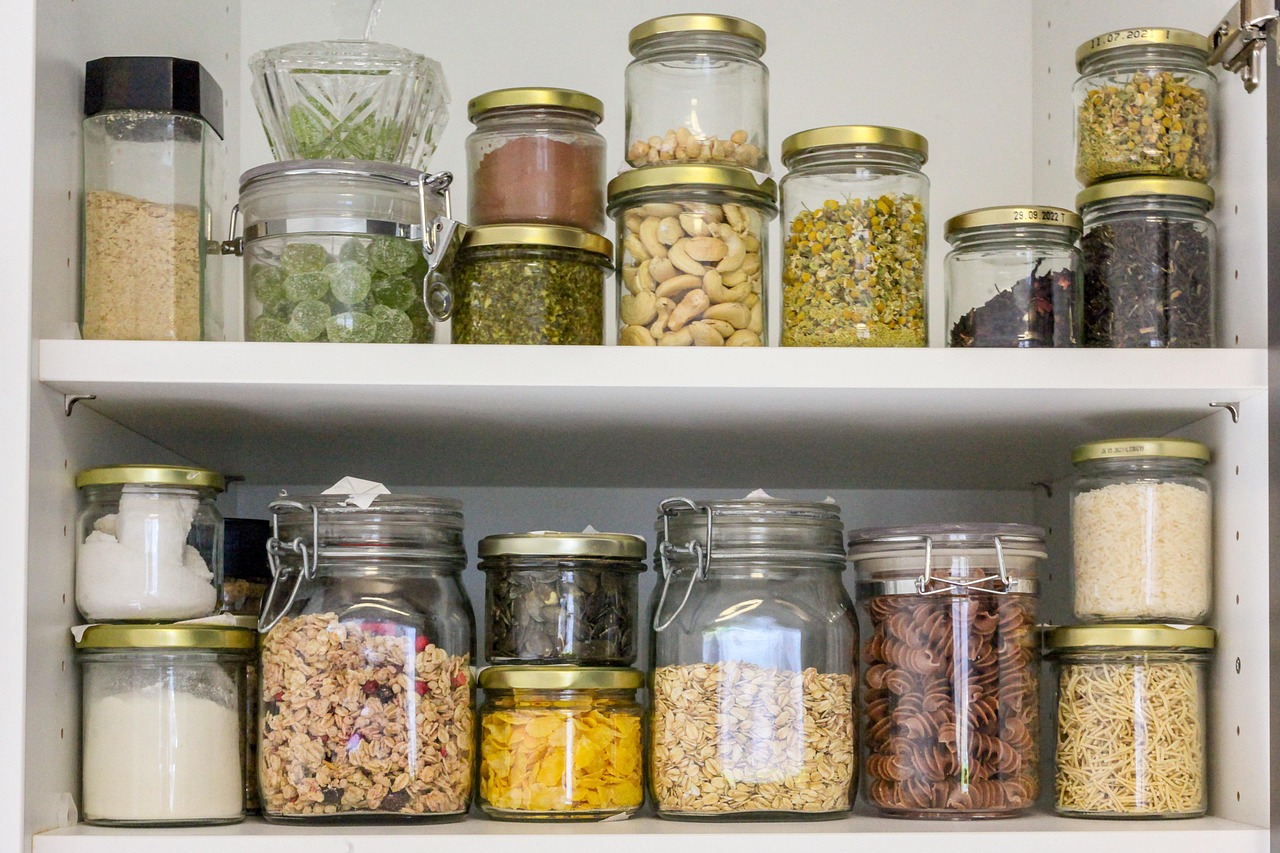
The idea of creating a zero waste kitchen can feel overwhelming at first, but it doesn’t have to be! Transitioning to more sustainable habits in the kitchen isn’t about perfection. It is about making small, manageable changes that reduce waste and benefit both our planet and your lifestyle. In this guide, you’ll learn how to set up a zero waste kitchen step by step: Without stress or the pressure to be flawless.
Why a zero waste kitchen matters
The kitchen is one of the most waste-producing areas in any home. From food packaging to plastic wrap and disposable utensils – Much of our household waste starts here. By rethinking how we cook, store and shop, we can drastically cut down on waste and live more intentionally.
Benefits of a zero waste kitchen include:
- Lower household waste and clutter
- Healthier food habits
- Long-term savings
- A more mindful, eco-friendly lifestyle
Track what you throw away
Before changing anything, take a week to observe what you throw away in your kitchen. Are you tossing out lots of food scraps? Plastic wrappers? Unused leftovers? A waste tracking helps identify problem areas so you know where to focus your efforts.
Begin with simple swaps
Don’t try to change your entire kitchen at once. Focus on a few key changes and build from there. Here are some beginner-friendly zero waste swaps:
| Replace this: | With this: |
| Plastic wrap | Beeswax wraps or silicone lids |
| Paper towels | Reusable cloth rags or towels |
| Plastic grocery bags | Cloth or mesh tote bags |
| Ziplock bags | Reusable silicone food bags |
| Disposable sponges | Compostable brushes or washable cloths |
Choose 1–2 to begin with, and gradually expand your toolkit.
Use what you already have
Zero waste isn’t about buying a whole new set of matching glass jars or bamboo utensils. In fact, the most sustainable item is the one you already own! Use your current tools until they wear out and only replace them with sustainable options as needed.
Buy larger quantities and shop smarter
Purchasing food in larger amounts can help reduce packaging waste and often saves money in the long run. Look for stores that allow you to bring your own containers for items like grains, nuts, pasta and spices. When shopping for fruits and vegetables:
- Choose unpackaged, loose produce
- Bring reusable produce bags
- Visit local farmers’ markets (if possible)
Buying more of what you use regularly means fewer trips to the store and less packaging waste overall!
Reduce food waste with better planning
A big part of kitchen waste is uneaten or expired food. You can reduce this by:
- Freezing excess food before it spoils
- Meal planning for the week ahead (Planning meals in advance? See our sustainable meal prep tips.)
- Cooking in batches
Compost what you can’t eat
Food scraps like veggie peels, coffee grounds and eggshells are compostable and do not belong in landfills. Start with a small compost bin in your kitchen and check if your city has a collection system or drop-off points.
Progress over perfection
Setting up a zero waste kitchen is a journey, not a one-time task. Focus on progress – not perfection! Every sustainable habit you build makes a real impact. Start where you are, use what you have and take it one swap at a time.
Related Articles
– How to Meal Prep Sustainably: Tips for a Greener Week
– What Is Sustainable Cooking? A Beginner’s Guide
– Sustainable Cooking on a Student Budget
Leave a Reply