
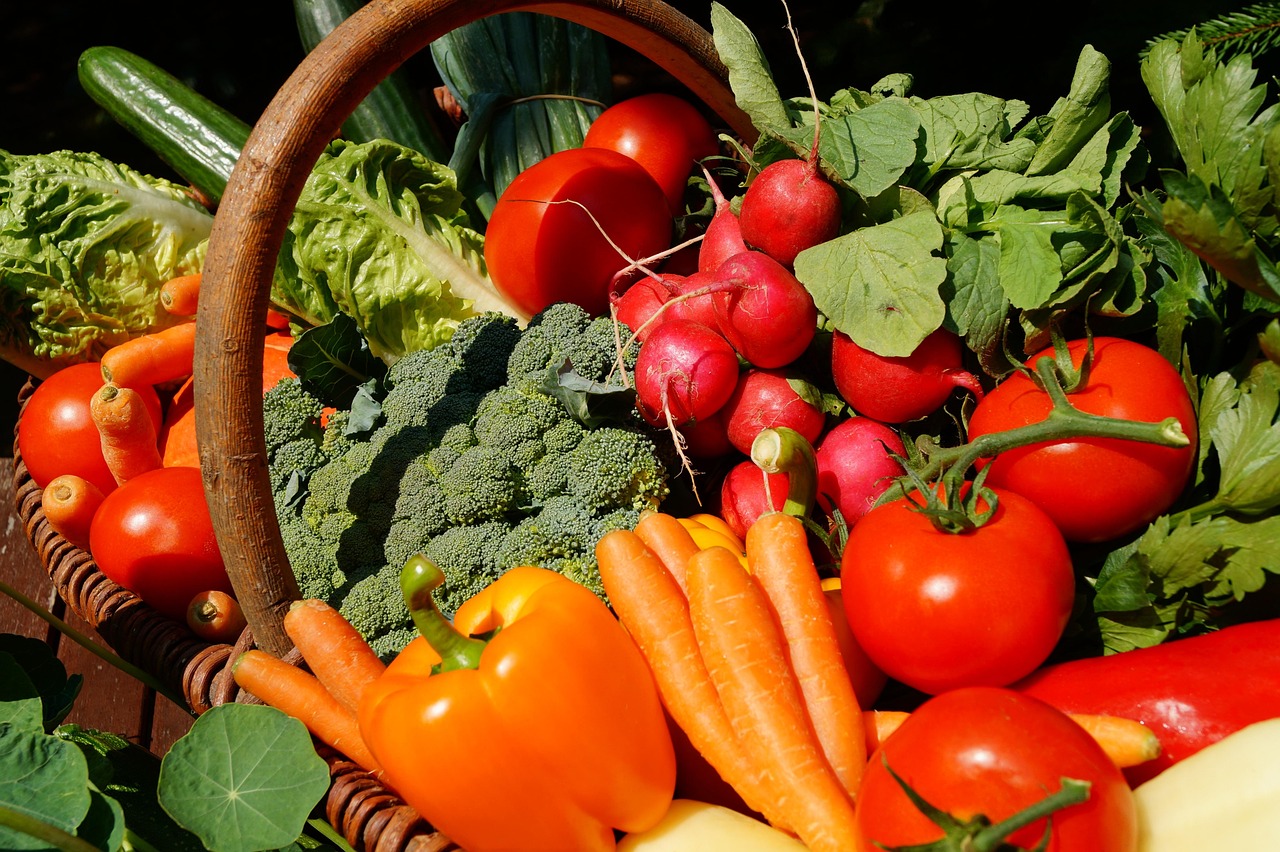
In a world where strawberries are available in December and avocados travel thousands of miles to reach our plates, it’s easy to forget that food has seasons! Seasonal eating, the practice of consuming foods that are naturally in season in your region, is making a comeback – and for good reason. It’s a simple yet powerful way to support the environment, boost your health and reconnect with nature’s rhythms.
What is seasonal eating?
Seasonal eating means choosing fruits, vegetables and other products that grow naturally during the current season in your local climate. For example: Enjoying tomatoes in summer, root vegetables in winter and leafy greens in spring. While supermarkets offer almost every food year-round, most of it is grown in greenhouses or imported from across the globe, increasing its environmental cost.
Why seasonal eating matters
1. It reduces your carbon footprint
One of the biggest environmental advantages of seasonal eating is a lower carbon footprint. Foods that are out-of-season often require long-distance transportation, refrigeration and even artificial growing conditions. Local, seasonal produce skips much of that, resulting in fewer greenhouse gas emissions.
For more ways to reduce your kitchen’s environmental impact, check out our guide on setting up a zero waste kitchen!
2. It supports local farmers
When you eat with the seasons, you’re more likely to buy from local growers – whether at a farmer’s market, community-supported agriculture box or nearby co-op. Supporting these producers strengthens your local economy and helps small farms thrive in a globalized food system.
3. It’s more nutritious and flavorful
Seasonal produce is usually harvested at its peak, meaning it’s fresher and more nutrient-dense. Many fruits and vegetables lose nutrients during long transport and storage. In contrast, local seasonal foods are more likely to retain their vitamins, minerals and flavor.
4. It encourages variety in your diet
Eating seasonally naturally rotates your meals throughout the year, introducing you to a broader range of fruits, vegetables and whole foods. This not only keeps things interesting in the kitchen but also diversifies your nutrient intake!
Seasonal eating by season: A quick guide
Here’s a sample of what’s typically in season in temperate regions:
- Spring: Asparagus, peas, radishes, spinach, strawberries
- Summer: Tomatoes, zucchini, cucumbers, berries, corn
- Autumn: Pumpkins, apples, carrots, sweet potatoes, pears
- Winter: Kale, cabbage, leeks, citrus fruits, root vegetables
Keep in mind that seasonal availability may vary based on your location, so check your local harvest calendar or farmer’s market listings for the most accurate information!
How to start seasonal eating
Starting a seasonal eating habit is easier than you think:
- Shop locally: Visit farmers’ markets or buy from local grocery stores that source regionally.
- Cook simple meals: Let fresh produce shine. Try roasted veggies, fresh salads or seasonal fruit desserts.
- Preserve the harvest: Freeze, pickle or dry seasonal produce for later use.
- Plan ahead: Get familiar with seasonal calendars so you can anticipate what’s coming and adjust your shopping list accordingly.
Seasonal eating is a sustainable habit
At its core, seasonal eating is about mindfulness. It connects us more closely with the land, promotes eco-conscious food choices and helps reduce food miles and waste. In a fast-paced world filled with instant gratification, choosing to eat seasonally invites us to slow down and savor what nature offers – when it offers it.
If you’re looking for an easy, impactful way to live more sustainably, seasonal eating is a great place to start. It’s better for your health, your taste buds and our planet. Next time you plan your meals, consider what’s in season – and let nature guide your plate.
Related Articles
– Sustainable Cooking on a Student Budget: 6 Tips That Actually Work
– What Is Sustainable Cooking? A Beginner’s Guide
– How to Meal Prep Sustainably: Tips for a Greener Week
Leave a Reply